As the old adage goes, “you are what you eat.” In today’s fast-paced world, it’s easy to get caught up in the hustle and bustle of daily life and forget about the importance of proper nutrition. But the truth is, a well-balanced diet is the foundation of a healthy and happy life. With so much misinformation out there, it can be overwhelming to know where to start. That’s why we’ve put together this comprehensive guide to nutrition, packed with valuable insights, actionable tips, and expert advice to help you unlock the power of nutrition and achieve optimal well-being.
Understanding the Basics of Nutrition
Before we dive into the nitty-gritty of nutrition, it’s essential to understand the basics. Nutrition refers to the process by which our bodies use food to fuel our daily activities, grow, and repair ourselves. A healthy diet provides the necessary nutrients, vitamins, and minerals to support optimal functioning of our bodily systems. The three main macronutrients are carbohydrates, protein, and fat, which provide energy, build and repair tissues, and regulate various bodily functions, respectively. Additionally, micronutrients like vitamins and minerals play a crucial role in maintaining healthy skin, hair, and eyes, as well as supporting immune function and overall health.
To get started on your nutrition journey, it’s essential to understand your daily nutritional needs. The recommended daily intake of macronutrients varies based on factors like age, sex, weight, and activity level. Generally, the dietary guidelines recommend that adults consume 45-65% of their daily calories from carbohydrates, 10-35% from protein, and 20-35% from fat. It’s also important to stay hydrated by drinking plenty of water throughout the day. Aim to drink at least eight glasses of water per day, and adjust according to your individual needs.
Building a Balanced Diet
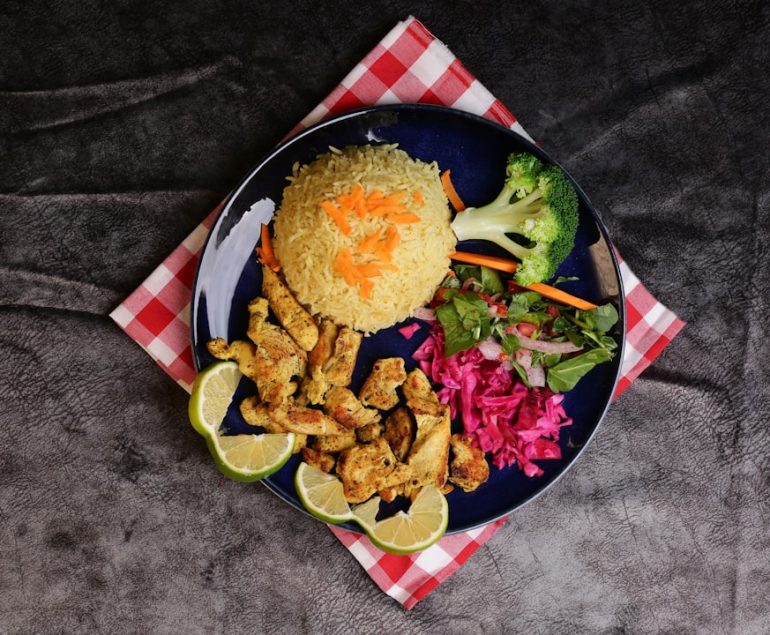
A well-balanced diet is one that includes a variety of whole, unprocessed foods from all food groups. This includes fruits, vegetables, whole grains, lean proteins, and healthy fats. Aim to include a rainbow of colors on your plate to ensure you’re getting a broad range of vitamins and minerals. Dark leafy greens like spinach and kale are rich in iron and calcium, while citrus fruits like oranges and grapefruits are high in vitamin C. Berries, such as blueberries and strawberries, are packed with antioxidants and fiber.
In addition to whole foods, it’s also important to limit your intake of processed and packaged foods. These foods are often high in added sugars, salt, and unhealthy fats, which can lead to chronic diseases like obesity, diabetes, and heart disease. When shopping for groceries, opt for fresh, seasonal produce, and choose whole grains over refined or processed options. Some healthy snacks include nuts and seeds, avocado, and Greek yogurt.
Specialized Nutrition Needs
As we age, our nutritional needs change. For example, older adults may require more calcium and vitamin D to support bone health, while pregnant women need additional folate to support fetal development. Additionally, individuals with certain medical conditions, such as celiac disease or diabetes, may require specialized diets to manage their condition. It’s essential to consult with a healthcare professional or registered dietitian to determine your individual nutritional needs.
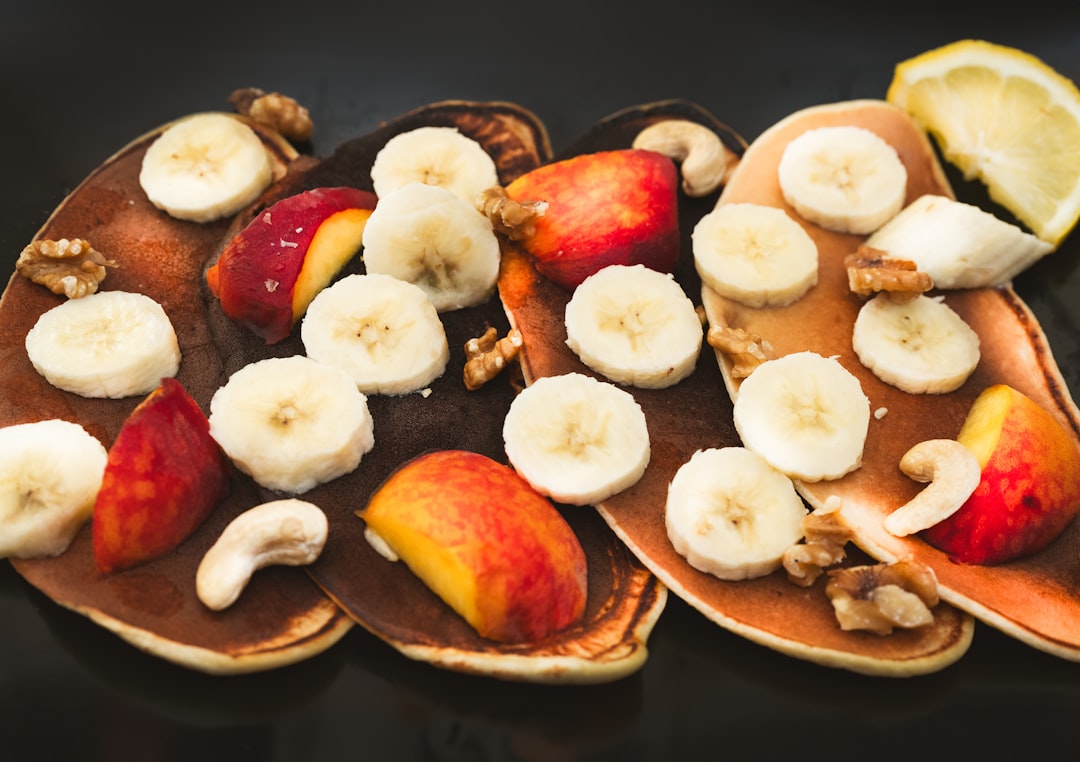
Athletes and individuals who engage in regular physical activity also have unique nutritional needs. They require more protein to support muscle growth and repair, as well as complex carbohydrates to provide sustained energy. Additionally, they may need to pay attention to their electrolyte intake, particularly sodium and potassium, to prevent dehydration and muscle cramping. Some healthy options for athletes include bananas, dates, and coconut water.
Nutrition and Lifestyle
Nutrition is not just about the food we eat; it’s also about our lifestyle habits. Regular physical activity, stress management, and adequate sleep are all essential components of a healthy lifestyle. Aim to engage in at least 150 minutes of moderate-intensity exercise per week, and incorporate strength training and high-intensity interval training (HIIT) to build muscle and boost metabolism. Additionally, prioritize stress-reducing activities like meditation, yoga, or deep breathing exercises to help manage stress and anxiety.
Getting enough sleep is also crucial for overall health and well-being. Aim for 7-9 hours of sleep per night, and establish a consistent sleep schedule to regulate your body’s internal clock. A healthy lifestyle also includes healthy relationships, social connections, and a sense of purpose and meaning. By prioritizing your overall well-being, you’ll be better equipped to make healthy food choices and maintain a balanced diet.
Conclusion and Key Takeaways
In conclusion, nutrition is a complex and multifaceted field that plays a critical role in our overall health and well-being. By understanding the basics of nutrition, building a balanced diet, and meeting our specialized nutritional needs, we can unlock the power of nutrition and achieve optimal health. Remember to stay hydrated, limit processed foods, and prioritize whole, unprocessed foods from all food groups. Don’t forget to consult with a healthcare professional or registered dietitian to determine your individual nutritional needs, and prioritize lifestyle habits like regular physical activity, stress management, and adequate sleep.
Key takeaways from this comprehensive guide to nutrition include:
- Eat a variety of whole, unprocessed foods from all food groups
- Limit processed and packaged foods
- Stay hydrated by drinking plenty of water
- Consult with a healthcare professional or registered dietitian to determine your individual nutritional needs
- Prioritize lifestyle habits like regular physical activity, stress management, and adequate sleep
- Aim to include a rainbow of colors on your plate to ensure a broad range of vitamins and minerals
By incorporating these tips and principles into your daily life, you’ll be well on your way to unlocking the power of nutrition and achieving a healthier, happier you. Remember, nutrition is a journey, not a destination, and it’s okay to take it one step at a time. Start making small changes today, and watch your health and well-being transform over time.