Are you tired of feeling sluggish, run down, and unsure about what to eat to achieve optimal health? You’re not alone. With the constant barrage of fad diets, conflicting nutrition advice, and misleading food labels, it’s no wonder many of us are left feeling confused and frustrated. But what if you could unlock the secrets to nourishing your body, boosting your energy, and achieving vibrant health? The answer lies in understanding the power of nutrition. In this comprehensive guide, we’ll delve into the world of nutrition, exploring the essential principles, debunking common myths, and providing you with actionable tips to transform your relationship with food.
Understanding the Basics of Nutrition
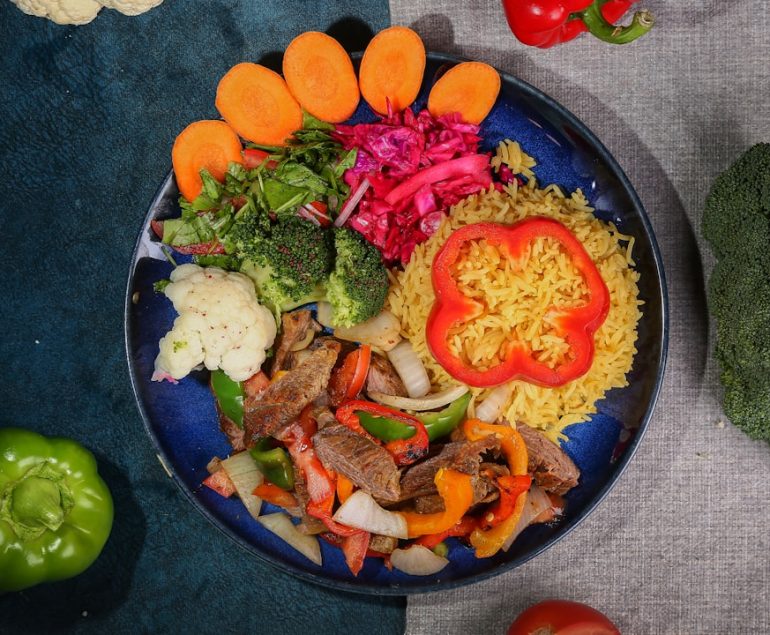
Before we dive into the nitty-gritty of nutrition, it’s essential to understand the fundamental principles. Nutrition is the process of providing your body with the necessary nutrients, vitamins, and minerals to function optimally. A well-balanced diet consists of three main macronutrient groups: carbohydrates, protein, and fat. Carbohydrates provide energy, protein builds and repairs tissues, and fat supports hormone production and absorption of vitamins. A healthy diet should also include a variety of fruits, vegetables, whole grains, and lean protein sources.
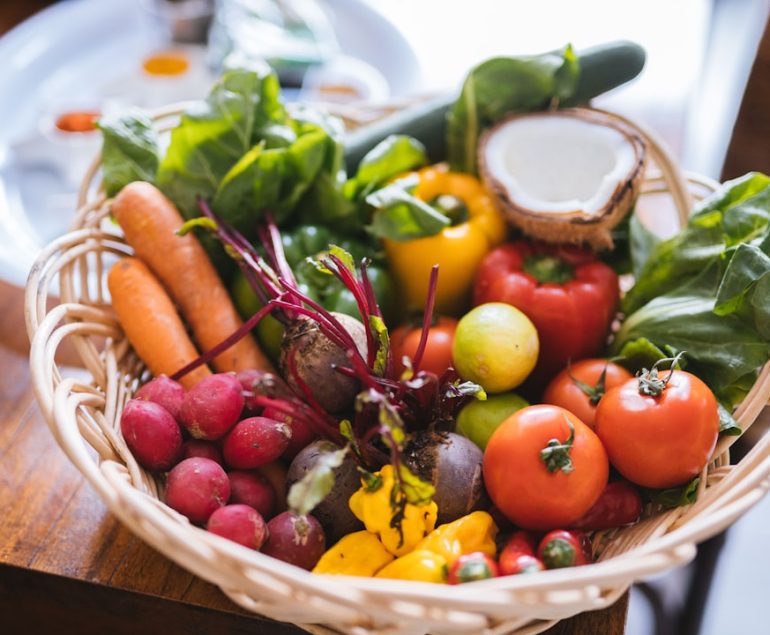
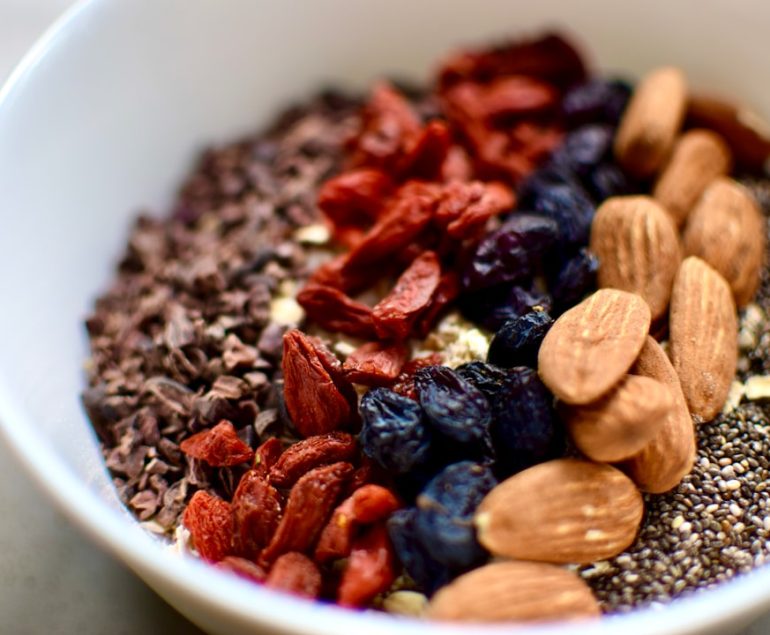
One of the most critical aspects of nutrition is understanding the concept of nutrient density. Nutrient-dense foods are those that provide a high amount of essential vitamins, minerals, and antioxidants while being low in calories. Examples of nutrient-dense foods include leafy greens, berries, nuts, and seeds. On the other hand, foods that are high in calories but low in nutrients, such as sugary drinks and processed snacks, are considered empty calories. By focusing on whole, unprocessed foods, you can ensure you’re getting the nutrients your body needs to thrive.
Debunking Common Nutrition Myths
With the constant influx of new diets and nutrition trends, it’s easy to get caught up in misinformation. Let’s set the record straight on some common nutrition myths. Firstly, low-fat diets are not always the best choice. While it’s true that excessive fat consumption can lead to weight gain, healthy fats, such as those found in avocados, nuts, and olive oil, are essential for brain function, hormone production, and absorption of vitamins. In fact, research has shown that a diet rich in healthy fats can help lower cholesterol levels and reduce the risk of heart disease.
Another myth is that all calories are created equal. This couldn’t be further from the truth. The source of your calories matters, and focusing on whole, nutrient-dense foods will provide your body with the necessary building blocks for optimal health. For example, 100 calories of broccoli will provide a wealth of vitamins, minerals, and antioxidants, while 100 calories of soda will only offer empty calories and a spike in blood sugar.
Personalizing Your Nutrition Plan
Every individual has unique nutritional needs, and what works for one person may not work for another. Factors such as age, sex, body composition, and activity level all play a role in determining your nutritional requirements. For example, athletes or individuals who engage in regular physical activity may require more protein to support muscle growth and repair. On the other hand, individuals with certain medical conditions, such as diabetes or celiac disease, may need to follow specific dietary guidelines to manage their condition.
So, how can you personalize your nutrition plan? Start by paying attention to your body’s hunger and fullness cues. Eat when you’re hungry, stop when you’re satisfied, and avoid restrictive dieting. Also, consider working with a registered dietitian or healthcare professional to determine your individual nutritional needs. They can help you create a personalized plan that takes into account your lifestyle, preferences, and health goals.
The Importance of Mindful Eating
In today’s fast-paced world, it’s easy to get caught up in mindless eating. We often eat on the go, in front of screens, or while distracted by other activities. However, this can lead to overeating, poor digestion, and a lack of satisfaction. Mindful eating, on the other hand, is the practice of paying attention to your food, savoring each bite, and eating slowly. This approach can help you develop a healthier relationship with food, reduce stress, and even support weight loss.
So, how can you practice mindful eating? Start by eliminating distractions during meals, such as turning off the TV or putting away your phone. Take small bites, chew slowly, and pay attention to the flavors, textures, and aromas of your food. Also, try eating with your non-dominant hand, which can help slow down your eating and increase awareness. By adopting mindful eating habits, you can transform your mealtime experience and cultivate a deeper appreciation for the food you eat.
Conclusion and Key Takeaways
In conclusion, nutrition is a complex and multifaceted field, but by understanding the basics, debunking common myths, personalizing your plan, and practicing mindful eating, you can unlock the power of nutrition and achieve vibrant health. Remember, nutrition is not a one-size-fits-all approach; it’s about finding what works for you and making sustainable lifestyle changes. By incorporating the following key takeaways into your daily life, you’ll be well on your way to nourishing your body and achieving optimal wellness:
- Focus on whole, unprocessed foods to ensure you’re getting the nutrients your body needs
- Debunk common nutrition myths and stay informed about the latest research and trends
- Personalize your nutrition plan by paying attention to your body’s hunger and fullness cues and working with a healthcare professional
- Practice mindful eating to develop a healthier relationship with food and reduce stress
- Stay hydrated, get enough sleep, and engage in regular physical activity to support overall health and well-being
By embracing the power of nutrition and making informed choices, you can transform your health, boost your energy, and live a vibrant, fulfilling life. So, take the first step today, and start nourishing your body with the nutrients it deserves.