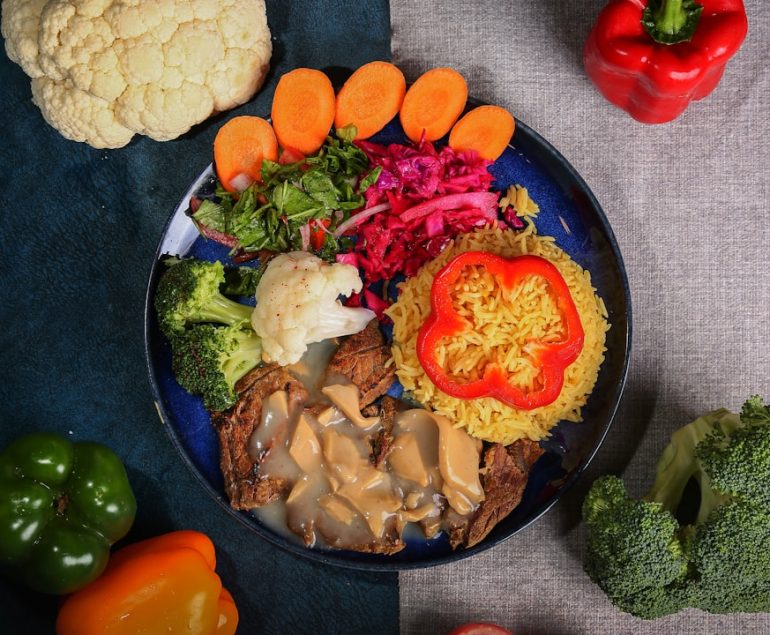
As the old adage goes, “you are what you eat.” But have you ever stopped to think about what that really means? In today’s fast-paced world, it’s easy to get caught up in the hustle and bustle of daily life and neglect one of the most essential aspects of our overall health: nutrition. A well-balanced diet is the foundation upon which our bodies function, and without it, we can expect to feel sluggish, tired, and even prone to chronic diseases. In this comprehensive guide, we’ll delve into the world of nutrition, exploring the importance of a balanced diet, the benefits of various nutrients, and providing actionable tips to help you fuel your body for optimal health.
Introduction to Nutrition: The Basics
Nutrition is the science of how our bodies use food to function, grow, and maintain overall health. It’s a complex process that involves the breakdown of nutrients, such as carbohydrates, proteins, and fats, into energy and other essential compounds. A well-balanced diet provides our bodies with the necessary building blocks to function properly, from the energy we need to get through the day to the nutrients that support healthy skin, hair, and nails. But with so many conflicting messages about what constitutes a healthy diet, it can be overwhelming to know where to start.
One of the most important things to understand is the concept of macronutrients. Carbohydrates, proteins, and fats are the three main categories of macronutrients, and each plays a vital role in our overall health. Carbohydrates, such as whole grains, fruits, and vegetables, provide energy for our bodies, while proteins, found in foods like lean meats, fish, and legumes, are essential for building and repairing tissues. Fats, including healthy options like nuts, seeds, and avocados, are crucial for brain function, hormone production, and the absorption of vitamins and minerals.
The Benefits of a Balanced Diet: Why Nutrition Matters
A balanced diet is essential for maintaining optimal health, and the benefits are numerous. By fueling our bodies with the right foods, we can expect to see improvements in energy levels, digestion, and even mental clarity. A well-balanced diet has also been shown to reduce the risk of chronic diseases, such as heart disease, diabetes, and certain types of cancer. But that’s not all – a healthy diet can also have a profound impact on our mental health, with studies suggesting that a balanced diet can help alleviate symptoms of anxiety and depression.
One of the most significant benefits of a balanced diet is its impact on our gut health. The gut microbiome, made up of trillions of microorganisms, plays a crucial role in our overall health, influencing everything from our immune system to our mood. A diet rich in whole, nutrient-dense foods, such as fruits, vegetables, and whole grains, provides the necessary fuel for our gut microbiome to thrive. This, in turn, can lead to improvements in digestion, reduced inflammation, and even a stronger immune system.
Nutrient-Dense Foods: The Key to a Healthy Diet
So, what are the key foods that should be included in a balanced diet? The answer lies in nutrient-dense foods, which provide a high amount of essential vitamins, minerals, and other beneficial compounds while being low in calories and unhealthy ingredients. Some of the top nutrient-dense foods include:
- Leafy greens, such as spinach and kale, which are rich in vitamins A, C, and K, as well as minerals like calcium and iron
- Berries, which are high in antioxidants and fiber, and have been shown to have anti-inflammatory properties
- Fatty fish, such as salmon and sardines, which are rich in omega-3 fatty acids and have been linked to improved heart health
- Legumes, such as lentils and chickpeas, which are high in protein, fiber, and minerals like potassium and magnesium
- Nuts and seeds, which are rich in healthy fats, protein, and fiber, and have been shown to have anti-inflammatory properties
- Start by making a list of your favorite nutrient-dense foods and incorporating them into your meal plan
- Plan out your meals for the week, including breakfast, lunch, dinner, and snacks
- Consider meal prepping on the weekends or one day a week, where you prepare healthy meals in advance
- Keep healthy snacks on hand, such as nuts, seeds, and fresh fruit, to curb cravings and prevent overeating
- Don’t be afraid to get creative and try new recipes – experiment with different spices, seasonings, and ingredients to keep your meals interesting and delicious
- A well-balanced diet provides our bodies with the necessary building blocks to function properly
- Macronutrients, including carbohydrates, proteins, and fats, play a vital role in our overall health
- A balanced diet can reduce the risk of chronic diseases, improve energy levels, and even have a positive impact on mental health
- Nutrient-dense foods, such as leafy greens, berries, and fatty fish, should be included in a healthy diet
- Meal planning and prep are essential for incorporating healthy foods into your diet and achieving optimal health.
In addition to incorporating these nutrient-dense foods into your diet, it’s also essential to limit your intake of processed and sugary foods. These foods are often high in empty calories, added sugars, and unhealthy ingredients, which can have a negative impact on our overall health.
Meal Planning and Prep: Tips for a Healthy Diet
So, how can you start incorporating these nutrient-dense foods into your diet? The key lies in meal planning and prep. By taking the time to plan out your meals in advance, you can ensure that you’re getting the necessary nutrients to fuel your body. Here are some tips to get you started:
Conclusion: Unlocking the Power of Nutrition
In conclusion, nutrition is a powerful tool that can have a profound impact on our overall health and wellbeing. By fueling our bodies with the right foods, we can expect to see improvements in energy levels, digestion, and even mental clarity. By incorporating nutrient-dense foods into our diet, limiting our intake of processed and sugary foods, and making meal planning and prep a priority, we can take the first steps towards unlocking the power of nutrition. Remember, a healthy diet is not a one-size-fits-all approach – it’s about finding a balance that works for you and your unique needs. So, take the first step today and start nourishing your body with the foods it needs to thrive.
Key takeaways: