—
Introduction – Why “Just One More Rep” Could Be Your Best Decision Yet
Imagine feeling more energized after a night’s sleep, breezing through a stressful workday with a clear mind, and watching the numbers on the scale drift downward without drastic dieting. It sounds like a dream, but it’s a reality that millions experience every day thanks to regular exercise.
In a world saturated with quick‑fix health hacks, the simple act of moving your body remains the most reliable, evidence‑backed strategy for boosting longevity, sharpening cognition, and elev ing mood. Whether you’re a seasoned gym‑goer, a weekend hiker, or someone who’s just laced up a pair of sneakers for the first time, the benefits of exercise are universal and profound.
In this comprehensive guide we’ll dive deep into the science and the everyday practicality behind physical activity. You’ll discover actionable tips you can implement right now, learn how movement combats chronic disease, and see why a consistent workout routine is arguably the single most powerful tool in your wellness arsenal.
—
1. Physical Health Benefits – Building a Stronger, More Resilient Body
1.1 Cardiovascular Fitness: The Heart’s Best Friend
One of the most celebrated health benefits of exercise is its impact on the cardiovascular system. Aerobic activities—such as brisk walking, cycling, swimming, or jogging—stimulate the heart to pump more efficiently, increasing stroke volume and lowering resting heart rate. Over time, this translates into:
- Reduced risk of heart disease (up to 35% lower incidence in active adults)
- Improved blood pressure (average reductions of 4–9 mm Hg)
- Enhanced cholesterol profile, with higher HDL (“good”) cholesterol and lower LDL (“bad”) cholesterol
- Increased lean muscle mass, which boosts basal metabolic rate (BMR) and helps with weight management.
- Stronger bones: Resistance exercise stimulates osteoblast activity, reducing the risk of osteoporosis by up to 40% in older adults.
- Improved functional capacity—making daily tasks like carrying groceries or climbing stairs easier and safer.
- Reduced injury risk by improving range of motion.
- Alleviation of chronic muscle tightness, especially for desk‑bound professionals.
- Enhanced athletic performance, as greater mobility allows for more efficient movement patterns.
- Acute mood boost: Even a 10‑minute walk can increase feelings of happiness.
- Long‑term resilience: Consistent activity lowers cortisol (the stress hormone) and improves emotional regulation.
- Sharper focus and attention, especially after moderate‑intensity cardio.
- Improved working memory, with measurable gains after just 6 weeks of regular training.
- Reduced risk of cognitive decline, with active adults showing a 30% lower chance of developing Alzheimer’s disease.
- Faster sleep onset (average 15‑20 minutes sooner).
- Longer total sleep time and fewer nighttime awakenings.
- Lower fasting blood glucose and HbA1c levels (up to 0.7% reduction).
- Reduced need for medication in many Type 2 diabetes patients.
- Hormonal balance (lower estrogen and insulin levels).
- Improved immune surveillance.
- Pain reduction: Up to 40% decrease in self‑reported joint pain after 12 weeks of consistent exercise.
- Improved joint function and range of motion.
- Current activity level (sedentary, lightly active, etc.)
- Physical limitations (injuries, medical conditions)
- Personal interests (do you enjoy dancing, hiking, weightlifting?)
- Activity type & duration
- Perceived effort (RPE scale 1–10)
- Mood & energy levels post‑workout
Actionable tip: Aim for at least 150 minutes of moderate‑intensity aerobic exercise per week (e.g., 30 minutes, five days a week). Use a smartwatch or phone app to track your minutes and keep yourself accountable.
1.2 Muscular Strength & Endurance: More Than Just Biceps
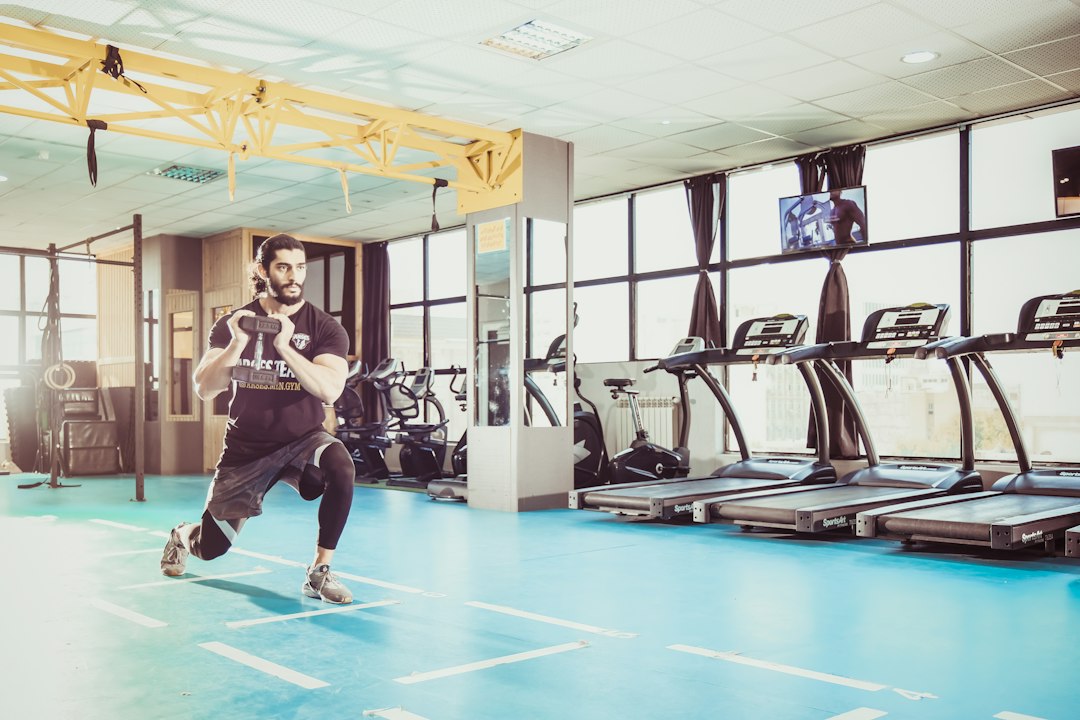
Strength training isn’t only for bodybuilders. Lifting weights, using resistance bands, or performing body‑weight moves (push‑ups, squats, lunges) triggers muscle protein synthesis, leading to:
Actionable tip: Incorporate two full‑body strength sessions per week, focusing on compound movements (e.g., squats, deadlifts, rows). Start with 2–3 sets of 8–12 repetitions, using a weight that feels challenging by the last rep.
1.3 Flexibility & Mobility: The Unsung Heroes
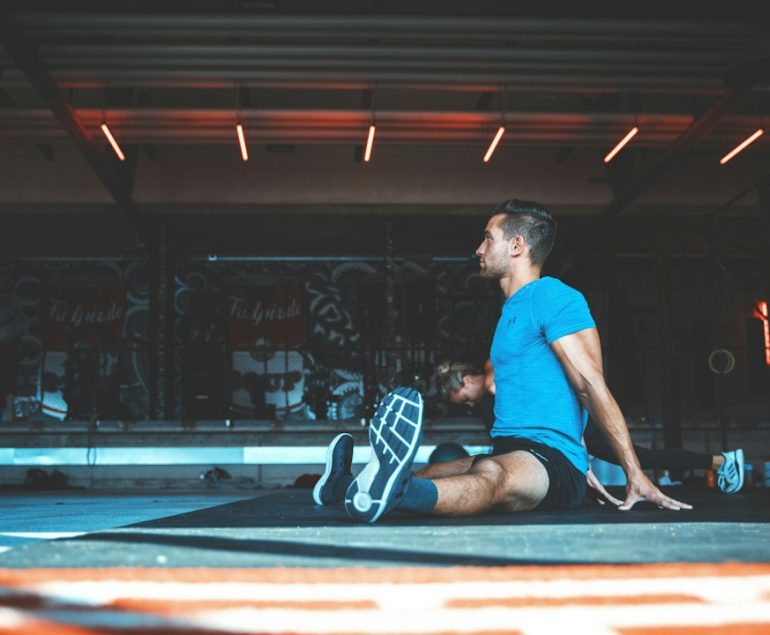
Static stretching, dynamic warm‑ups, and mobility drills keep joints supple and muscles pliable. Benefits include:
Actionable tip: Dedicate 5–10 minutes at the end of each workout to a targeted stretching routine, holding each stretch for 20–30 seconds.
—
2. Mental & Emotional Benefits – Exercise as a Brain Booster
2.1 Mood Elevation & Stress Relief
Physical activity triggers the release of endorphins, dopamine, serotonin, and norepinephrine—neurotransmitters that collectively lift mood and reduce perceived stress. Studies consistently show that regular exercise can be as effective as medication for mild to moderate depression.
Actionable tip: If you’re feeling overwhelmed, schedule a 10‑minute “movement break”—a quick jog, a dance session, or a yoga flow—to reset your nervous system.
2.2 Cognitive Function & Memory
Exercise stimulates neurogenesis (the creation of new brain cells) in the hippocampus, a region vital for learning and memory. Benefits include:
Actionable tip: Incorporate high‑intensity interval training (HIIT) twice a week. HIIT’s short bursts of effort followed by recovery have been shown to produce the greatest cognitive gains per minute of exercise.
2.3 Sleep Quality
Physical activity helps regulate circadian rhythms and deepens slow‑wave sleep. Benefits include:
Actionable tip: Finish vigorous workouts at least 2–3 hours before bedtime to allow core body temperature and adrenaline levels to normalize, promoting restful sleep.
—
3. Chronic Disease Prevention & Management – Exercise as Medicine
3.1 Diabetes Control
Aerobic and resistance training improve insulin sensitivity, allowing cells to use glucose more effectively. The result:
Actionable tip: Combine 30 minutes of moderate cardio (e.g., brisk walking) with 15 minutes of strength work at least three times a week to maximize glucose regulation.
3.2 Cancer Risk Reduction
Epidemiological data link regular physical activity with lower incidence of several cancers, including breast, colon, and endometrial cancers. Mechanisms involve:
Actionable tip: Aim for 150–300 minutes of moderate‑intensity activity per week, as recommended by the American Cancer Society, to reap the protective effect.
3.3 Joint Health & Arthritis
Low‑impact cardio (cycling, swimming) and strength training strengthen the muscles around joints, reducing load and pain for those with osteoarthritis.
Actionable tip: Incorporate water‑based workouts or elliptical training if you experience joint discomfort, and pair them with targeted strengthening of the quadriceps, hamstrings, and glutes.
3.4 Immune System Boost
Moderate exercise circulates immune cells throughout the body, enhancing surveillance against pathogens. While excessive high‑intensity training can temporarily suppress immunity, a balanced routine keeps the system robust.
Actionable tip: Follow the “30‑minutes‑most‑days” rule—moderate activity most days of the week—to keep immunity at its peak without overtraining.
—
4. Social & Lifestyle Benefits – How Movement Connects You to the World
4.1 Community & Belonging
Group fitness classes, sports leagues, or simply jogging with a friend create social bonds that improve mental health and adherence to an active lifestyle. Studies show that people who exercise socially are 2.5 times more likely to stick with their routine.
Actionable tip: Join a local walking club, sign up for a virtual fitness challenge, or schedule a weekly “active date” with family or friends.
4.2 Productivity & Creativity
Physical activity increases blood flow to the brain, delivering oxygen and nutrients that fuel creative thinking. Many professionals report breakthrough ideas after a short walk or a quick bike ride.
Actionable tip: Use the “walk‑and‑talk” method for meetings or brainstorming sessions. Even a 5‑minute stroll can spark fresh perspectives.
4.3 Confidence & Body Image
Achieving fitness milestones—whether it’s running a 5K or mastering a new yoga pose—boosts self‑efficacy and improves body appreciation. This confidence often spills over into other life areas, from career advancement to personal relationships.
Actionable tip: Set SMART (Specific, Measurable, Achievable, Relevant, Time‑bound) goals and celebrate each win, no matter how small. A progress journal or photo log can help visualize improvements over time.
—
5. Building a Sustainable Exercise Routine – Your Action Plan
5.1 Assess Your Starting Point
Before diving in, evaluate:
Actionable tip: Complete a simple “Fitness Baseline Survey”—note how many minutes you currently move each week, what activities you enjoy, and any barriers you face.
5.2 Choose the Right Mix: The 3‑2‑1 Formula
A balanced routine includes:
| Component | Frequency | Example |
|———–|———–|———|
| Aerobic | 3 days/week | 30‑minute jog, bike ride, or swim |
| Strength | 2 days/week | Full‑body circuit with dumbbells or resistance bands |
| Flexibility/Mobility | 1 day/week | Yoga flow or dedicated stretch session |
Actionable tip: Mark these sessions on your calendar as non‑negotiable appointments, just like work meetings.
5.3 Start Small, Progress Gradually
The “10‑percent rule” suggests increasing duration or intensity by no more than 10% each week to avoid injury and burnout.
Actionable tip: If you currently walk 20 minutes, add 2 minutes the following week. When you reach 30 minutes, introduce a short hill or interval burst.
5.4 Track, Reflect, Adjust
Use a fitness app, journal, or spreadsheet to log:
Review your data monthly. If you notice plateaus or waning motivation, tweak the routine—swap a run for a dance class, or add a new strength exercise.
Actionable tip: Set a monthly “review day” (e.g., first Sunday of each month) to assess progress and plan the next month’s schedule.
5.5 Overcome Common Barriers
| Barrier | Solution |
|———|———-|
| Time constraints | Break workouts into 10‑minute “micro‑sessions” throughout the day. |
| Lack of motivation | Pair exercise with a favorite podcast or audiobook. |
| Gym intimidation | Start at home with body‑weight moves; many free online videos guide you. |
| Injury concerns | Prioritize proper warm‑up, use low‑impact options, and consider consulting a physiotherapist. |
Actionable tip: Keep a “Why List”—a reminder of the top 3 reasons you want to exercise (e.g., “more energy for my kids,” “lower blood pressure”). Review it when motivation dips.
—
Conclusion – Your Roadmap to a Healthier, Happier Life
The benefits of exercise extend far beyond a slimmer waistline. From a stronger heart and resilient muscles to sharper cognition, better mood, and deeper social connections, regular movement is a cornerstone of holistic well‑being.
By understanding the science behind each advantage and implementing the actionable strategies outlined above, you can craft a sustainable, enjoyable routine that fits your lifestyle and goals. Remember:
1. Start with what you love—the best exercise is the one you’ll keep doing.
2. Balance cardio, strength, and flexibility to reap full-spectrum health gains.
3. Track, reflect, and adapt to stay motivated and avoid plateaus.
Your body is designed to move. Give it the gift of consistent, purposeful activity, and watch how every aspect of your life transforms—one step, rep, and breath at a time.
Ready to take the first step? Lace up those shoes, set a modest goal for this week, and feel the ripple effect of movement unfold across your mind, body, and spirit. The journey to a healthier you begins now.